



Many property owners in Bali dive into upgrades expecting a simple cosmetic refresh, only to hit a wall of red tape and structural surprises. Tropical conditions and outdated permits can turn a dream project into a legal nightmare very quickly.
Without the right approvals, you risk stop-work orders or even demolition of your investment. In 2026, the regulatory climate for Renovating Villas in Bali is stricter than ever, focusing on structural safety and long-term building worthiness.
This guide provides a tactical roadmap to modernize your property legally and efficiently. By following the SIMBG building portal guidelines, you can ensure your project adds significant value without the stress of non-compliance.
Table of Contents
Determining Permit Requirements for Structural Modifications
The legal landscape for construction in Indonesia underwent a massive shift recently. The old IMB system has been fully replaced by the PBG (Persetujuan Bangunan Gedung). For owners, this means that even a “simple renovation” may trigger the need for a new permit if the changes are structural.
A successful project involving Renovating Villas in Bali requires a clear understanding of these triggers. If your work involves adding floors, extending the building footprint, or modifying the internal structural skeleton, a PBG update is mandatory. Purely cosmetic works, such as interior painting or replacing floor tiles, generally do not require a formal application. However, any change that impacts the building’s function—such as converting a residential home into a commercial rental—must be reported and approved to maintain the villa’s legal status in 2026.
Legal Compliance and Zoning Verification for Renovations
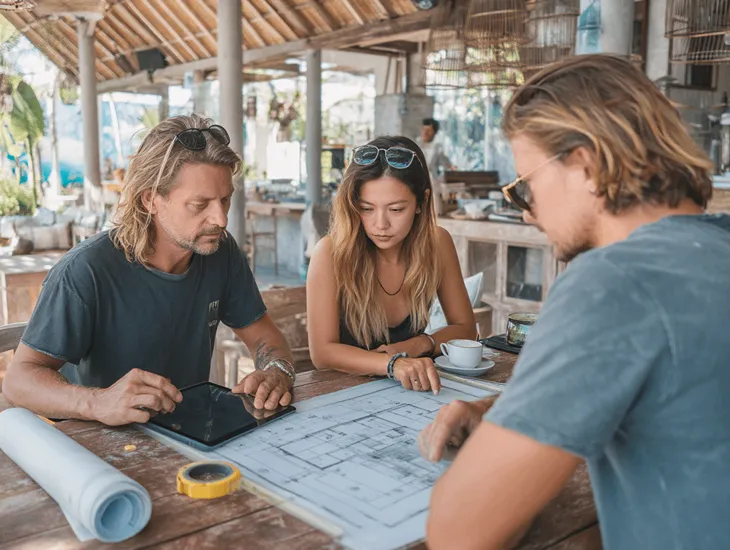
Before touching a single wall, you must verify that your planned works align with the local zoning regulations (RDTR). Zoning dictates everything from the maximum height of your roof to the required setbacks from rice fields and neighboring boundaries. In tourism corridors like Canggu or Uluwatu, density rules are strictly enforced to manage overdevelopment.
Verifying the land certificate—whether it is Hak Milik, HGB, or Hak Pakai—is a prerequisite for any significant construction application. A successful upgrade requires checking that the intended use of the property is supported by the land’s current designation. Failing to cross-reference zoning before a project begins can lead to a refusal of the building worthiness certificate (SLF), making the property uninsurable and difficult to rent legally.
Engaging Professional Design and Engineering Teams
Successful renovations start on the drawing board. Engaging a licensed architect and structural engineer who are familiar with the national SIMBG system is critical. These professionals do more than just provide aesthetic direction; they ensure that the architectural, structural, and MEP (mechanical, electrical, and plumbing) drawings meet the rigorous standards of current building codes.
In Bali, specialized engineering is often required to account for the humid tropical climate and seismic activity. A professional team will prepare the digital files necessary for the permit application, including detailed calculations for structural load changes. This front-loaded due diligence prevents the structural failures that often plague “low-budget” projects performed without professional oversight or proper technical documentation.
Navigating Environmental Approvals and Building Safety
Environmental sustainability is a core focus of the 2026 regulatory framework. Depending on the size and location of your property, you may need an environmental clearance such as an AMDAL or UKL-UPL. This is particularly common for properties located near sensitive waterways or protected green zones where construction impact is closely monitored.
Once construction is complete, the final legal step is obtaining or updating the SLF (Sertifikat Laik Fungsi). This certificate is the government’s official confirmation that the building is safe and fit for use. For commercial properties, the SLF must be renewed every five years, while residential properties follow a 20-year cycle. Without a valid SLF, your upgrade is technically incomplete, and the building cannot be legally occupied or utilized for commercial guest operations.
Selecting Reliable and Licensed Contractors in Bali
Contractor selection is the stage where many foreign owners face the highest risk. The market is saturated with teams that may lack the necessary business registration or construction licenses. Prioritize firms with a proven track record in Bali’s humid coastal environment, where salt air and high rainfall demand specific material expertise to prevent premature corrosion and rot.
Always insist on a detailed, milestone-based contract in both English and Indonesian. This contract should specify exact material grades, fixed timelines, and a defect liability period. Renovating Villas in Bali with an unlicensed team may seem cheaper initially, but the lack of insurance and accountability can result in structural compromises that are far more expensive to fix in the long term.
Real Story: Navigating a Sayan Villa Restoration

Thomas, an architect from Denmark, thought he was buying a charming fixer-upper in Sayan. He soon realized that Bali’s humidity plays by different rules. Beneath the beautiful traditional woodwork of his new villa lay a structural disaster: years of termite damage and wood rot that threatened to turn his investment into a pile of damp teak. The smell of humid earth and decaying timber was a daily reminder of the challenge ahead.
He struggled to find a contractor who understood the balance between modern structural reinforcement and traditional aesthetics. Thomas initially worried his vision of a sustainable jungle retreat was slipping away as costs for specialized wood treatment and structural steel rose. The humidity in Ubud was relentless, and the project felt stalled by the complexity of migrating his old building permits.
That’s when he used Bukit Vista to help manage the project oversight and permit migration. By engaging a specialized restoration team through their network, Thomas was able to reinforce the structure using sustainable local materials and successfully migrate his old IMB into the modern PBG system. Today, the villa stands as a masterpiece of eco-luxury, achieving a 90% occupancy rate because it perfectly blends Balinese heritage with modern safety standards.
Managing Construction Noise and Neighborhood Relations
Upgrading a property in Bali requires a high level of cultural awareness to ensure that your project doesn’t alienate the very community that supports your success. Bali has strict noise ordinances, particularly in residential zones where sound levels must generally stay below 55 dBA. Construction noise is strictly limited to daytime hours, and work must often stop entirely during local temple ceremonies or religious holidays.
Building a good relationship with the local banjar is just as important as the technical construction. Proactively communicating your timeline and scheduling high-noise tasks—like jackhammering—during the middle of the day can prevent formal complaints and work stoppages. When Renovating Villas in Bali, a little proactive communication with neighbors goes a long way in ensuring the project proceeds without social or legal friction.
Planning for Tropical Durability and Maintenance
A successful renovation must account for the intense wear and tear of the Balinese environment. Specify materials like Ulin (Ironwood) for outdoor decks and high-grade waterproofing for roofs and bathrooms. Termite treatment is a non-negotiable step that should be integrated into the foundation and structural work to prevent long-term degradation.
Beyond aesthetics, your renovation should simplify future maintenance. Ensure that electrical panels and plumbing junctions are easily accessible to avoid destructive repairs later. Planning for the commercial market also means setting a 10-20% contingency budget to cover hidden defects revealed during demolition. This proactive approach ensures that your upgraded villa remains a profitable asset rather than a liability in the years to come.
FAQs about Successful Villa Renovations
Not necessarily. Simple cosmetic changes like painting or replacing floor tiles do not require a permit. However, if you are changing the building's structure, floor area, or function, a PBG update is legally required.
While there is no fixed statutory timeline, well-prepared applications with all structural and architectural drawings can be processed relatively quickly through the SIMBG system, depending on the regency's workload.
While possible for very minor works, Renovating Villas in Bali for commercial use requires an SLF (building worthiness certificate), which necessitates professional inspection reports and as-built drawings from licensed practitioners.
You risk administrative fines, stop-work orders, or having the building sealed by authorities. In extreme cases of zoning violations or safety risks, demolition orders can be issued by the regency.
Yes, if the renovation was significant enough to require a PBG update, the SLF must also be updated to certify that the modified building is safe for occupation and compliant with building codes.
The best approach is to strictly follow local noise ordinances and proactively coordinate with the local banjar regarding working hours. Keeping neighbors informed of high-noise days is key to maintaining community relations.