
Owning a tropical villa often feels like a constant battle against the elements. The combination of intense solar heat and relentless salt air can degrade a property’s finish in a fraction of the time compared to cooler climates. Without a professional approach to maintenance, your investment can quickly transition from a luxury sanctuary to a high-cost liability.
Small issues, like a hairline crack in a roof tile or a slow-draining pipe, rapidly escalate into costly structural damage. In a high-turnover rental market, a single maintenance failure can ruin a guest’s holiday, leading to negative reviews that haunt your occupancy rates for years. The physical environment simply doesn’t allow for the “wait and see” attitude common in temperate zones.
The key to long-term profitability is a shift from reactive repairs to a structured, preventive maintenance framework. By implementing a recurring checklist that addresses the unique biological and atmospheric pressures of the island, you can preserve both guest satisfaction and property value. We utilize data from the BMKG to ensure your maintenance schedule aligns with local weather patterns. Here is the 2026 guide to Property Upkeep in Bali.
Table of Contents
Daily and Weekly Essential Maintenance
Effective management begins with high-frequency routines focused on cleanliness and immediate safety. Daily tasks must center on mopping surfaces to prevent the moisture film that thrives in high humidity, emptying bins to deter pests, and checking for any obvious signs of water ingress. In a tropical environment, these micro-actions are the front line of defense against the rapid biological growth that characterizes the region. Maintaining a consistent schedule of Property Upkeep in Bali at this level ensures that small issues never have the chance to become expensive repairs.
Weekly technical checks should focus on the villa’s high-use systems. Pool technicians must verify the chemical balance and skim debris to prevent filter clogs, while garden staff ensure that surface drains are clear of fallen leaves and sediment. For occupied properties, managers recommend at least one thorough weekly safety walk to test outdoor lighting and gate locks, ensuring that salt-air corrosion hasn’t seized up critical mechanisms. These frequent checks allow you to catch issues before they impact the guest experience or lead to operational downtime.
Monthly Deep Technical Inspections
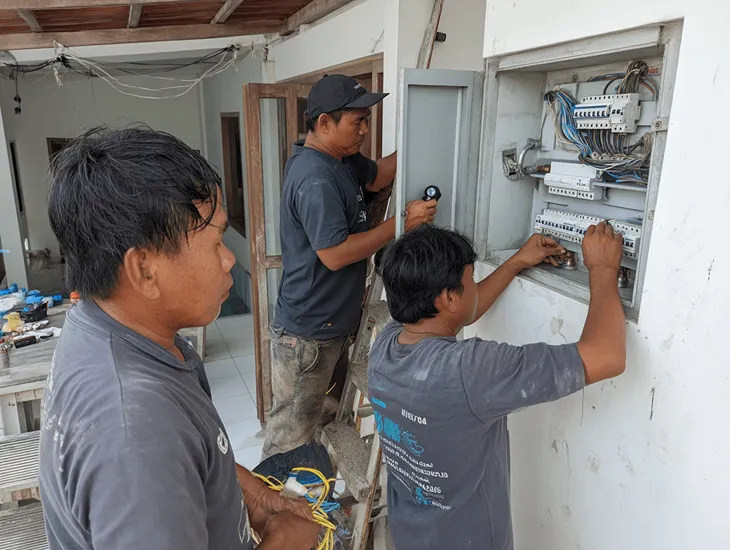
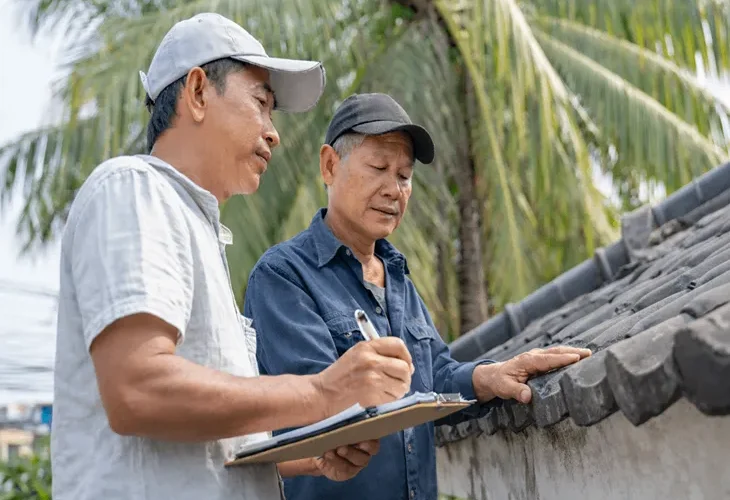
Monthly inspections are the backbone of preventive care, moving beyond the surface to examine the villa’s core systems. This is the time to perform a roof and gutter walk to identify cracked tiles or blocked downpipes that could lead to internal leaks. Inside the villa, staff should scan walls and ceilings for bubbling paint or hairline cracks, which are often the first indicators of moisture rings. Addressing these spots monthly prevents the need for major repainting projects later in the year.
The plumbing and electrical systems also require monthly attention. Every tap, shower, and toilet should be tested for slow flow or odors, and water pumps should be checked for consistent pressure. On the electrical side, testing RCDs (Residual Current Devices) and distribution boards for heat marks is a vital safety protocol. Finally, monthly AC maintenance—cleaning filters and clearing condensate drains—is non-negotiable to maintain cooling performance and prevent the water leaks that frequently trigger mold growth in closed rooms during the more humid months.
Quarterly Structural and System Reviews
As the year progresses, quarterly reviews focus on the structural resilience of the property. This involves a more detailed audit of external walls and foundations for movement or subsidence, particularly for cliffside or rice-paddy-adjacent properties. Managers must verify that the ground grading still effectively channels water away from the building foundations. Ensuring that your routine Property Upkeep in Bali includes these large-scale reviews prevents hidden damage that often manifests during the peak monsoon season.
Quarterly tasks also involve a deep dive into furniture and fixtures. Sofa fabrics, outdoor timber, and railings should be inspected for sun damage, rust, or wobble. In the salt-heavy air of coastal Uluwatu or Seminyak, metal fixtures can seize or corrode with surprising speed. Lubricating tracks, adjusting hinges on heavy sliding doors, and re-sealing gaps in window frames ensures the building remains weather-tight. These reviews often coincide with shoulder seasons to minimize disruption to rental income while keeping the asset in peak condition.
Annual Pre-Rainy Season Hardening
The transition into the wet season is the most critical period for any property owner. Annual hardening involves professional-grade repairs to the roof and waterproofing membranes. Flat roofs, balconies, and expansion joints are prime targets for re-sealing to prevent the persistent damp that characterizes a monsoon. By performing these tasks 30 to 60 days before the rains arrive, you avoid the seasonal rush for contractors and ensure your villa is a fortress against water ingress.
A full top-to-bottom MEP (mechanical, electrical, plumbing) audit is also essential during this phase. This includes professional servicing of water heaters, solar systems, and pump sets. Conducting a full-property termite treatment annually is a non-negotiable step in maintaining structural integrity. Documenting these annual services provides a clear historical log that is invaluable when the time comes to sell or refinance the property, as it proves a commitment to high-standard property maintenance that protects the long-term ROI of the building.
The Uluwatu Financial Wake-Up Call
Julian, a British investor in Uluwatu, realized too late that his “ad-hoc” maintenance strategy was actually a slow-motion financial disaster. By 2025, his refusal to fix what “wasn’t broken” resulted in a series of plumbing failures during his highest-paying weeks of the year. He wasn’t just losing sleep over a roof leak; he was watching his ROI disappear into the pockets of emergency contractors. He realized that without a structured plan for Property Upkeep in Bali, his luxury asset was quickly deteriorating.
The turning point came when a professional audit revealed that his “monthly” pool service was ignoring the pump’s junction box, which had become heavily corroded. This single oversight was days away from causing a total system failure. By switching to a structured preventive checklist, Julian was able to stabilize his operations. Within six months, his emergency repair costs dropped by 60%, and he regained the “Five-Star” status on booking platforms. He learned that in the tropics, professional maintenance is the only way to protect the value of your capital.
Management Systems and Documentation
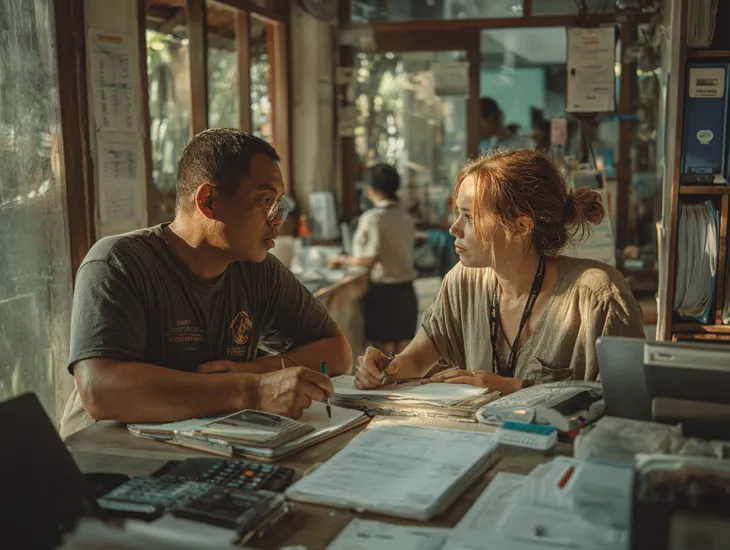
A checklist is only effective if it is consistently applied and audited. Professional managers utilize digital or paper logbooks to record every task, issue found, and action taken. This documentation allows owners to track the performance of their staff and vendors over time. When property care is treated as a data-driven process, it becomes easier to identify recurring problems that may indicate a need for material upgrades or system replacements rather than continued patching.
Maintaining a clear vendor list with emergency contacts for electricians, plumbers, and pest control contractors is equally important. Having a “preferred” contractor who knows the property’s history can save hours during a crisis. Furthermore, owners should maintain an annual CAPEX (Capital Expenditure) budget. Setting aside 5–10% of revenue for predictable replacements like AC units, pumps, and repainting ensures that you are never caught off guard by the natural wear and tear of the island’s environment.
Safety and Compliance Standards for Owners
Safety maintenance is often overlooked until an accident occurs, but it is a critical component of professional management. Quarterly checks must include testing smoke detectors, fire alarms, and emergency lighting. Fire extinguishers should be checked for pressure and expiry dates, and staff must be trained on their proper use. In a luxury rental environment, these safety protocols are not just legal requirements; they are essential for protecting both your guests and your liability.
Electrical safety is particularly poignant in the humid air of the archipelago. Distribution boards should be inspected for loose connections or signs of overheating, which can lead to electrical fires. Ensuring that all outdoor wiring is properly encased and that pool lights are water-tight is a vital safety check. By adhering to these standards, you create a secure environment that reflects the professional quality of your brand, reducing the risk of legal complications or traumatic incidents on your property.
The ROI of Proactive Maintenance
The financial argument for proactive care is undeniable. It is significantly cheaper to replace a single roof tile than to repair the water-damaged ceiling and moldy furniture beneath it. In the 2026 market, where guests have higher expectations and more options, maintaining a “five-star” condition is the only way to protect your occupancy rates. Consistent Property Upkeep in Bali ensures that your villa remains competitive and continues to command premium nightly rates throughout the year.
Beyond immediate revenue, consistent maintenance protects the long-term resale value of the villa. Prospective buyers are increasingly savvy, often hiring professional home inspectors to find hidden damp and structural rot. A villa with a documented history of preventive care and annual hardening will always achieve a higher valuation than one with visible wear and tear. Ultimately, maintenance is the shield that protects your capital from the corrosive nature of the tropical climate, turning a depreciating asset into a growing one.
FAQs about Property Upkeep in Bali
You should conduct a visual check for mud tubes and chewed wood monthly. A professional, full-property termite inspection and treatment should be performed at least once per year as part of your Property Upkeep in Bali plan.
This is almost always caused by a blocked condensate drain, often due to algae or dust buildup. Professional cleaning of filters and drains every 1-3 months is necessary to prevent this common local issue.
Not necessarily a full re-application, but you should perform a professional audit annually. Small cracks in the waterproofing membrane or expansion joints should be patched before the rainy season starts to ensure the building remains dry.
Airflow is the solution. Ensure that furniture is placed 5-10cm away from walls and use dehumidifiers or dry mode on your AC. Regular monthly checks behind heavy furniture are essential during the humid months.
Your kit should include basic tools, a flashlight, spare light bulbs, a plunger, and the contact numbers for your preferred plumber and electrician. Having these on hand allows staff to resolve minor issues before they bother the guests.
Yes, because of the salt air and dust. Solar panels should be cleaned monthly to maintain efficiency, and the inverter system should be professionally inspected quarterly for any signs of corrosion or overheating.