Managing a luxury property in Indonesia requires a deep understanding of the fragile island ecosystem. Water stress, excessive waste, and high energy consumption are critical issues that property owners must address to remain viable. The traditional approach to operations relies on heavy chemical treatments and high-draw utilities. Modern travelers and local regulators increasingly penalize this outdated strategy, making eco-conscious management mandatory for long-term success.
Ignoring eco-friendly practices is a significant financial error. Properties that fail to implement efficient systems face rising utility bills that drastically reduce profit margins month after month. High-value guests actively seek accommodations that align with their environmental values and will scrutinize a property’s green credentials. If your property lacks a clear sustainability strategy, you will inevitably lose lucrative bookings to competitors offering a verified green experience.
Implementing professional sustainable villa maintenance in Bali is the definitive solution to these operational challenges. A structured eco-maintenance plan focuses on energy efficiency, water recycling, and responsible waste management. Partnering with a professional management team ensures these official tourism standards are executed flawlessly. This approach lowers long-term running costs, protects the local environment, and dramatically increases your property’s appeal.
Table of Contents
The Core Pillars of Sustainable Operations
Sustainable operations in Indonesia rely on four primary pillars. These include energy efficiency, water conservation, waste reduction, and the use of eco-friendly materials. These pillars represent a vital shift from reactive repairs to a proactive management style. When executed correctly, they transform a standard property into a high-performing eco-villa that commands premium nightly rates.
Each pillar requires specific Standard Operating Procedures to ensure consistent execution. Waste reduction involves daily sorting and composting routines rather than throwing everything into a single bin. Water conservation requires the regular inspection of specialized filtration systems to prevent contamination or system failure. Consistency across all these tasks is what defines a truly sustainable property.
Professional teams translate these concepts into daily checklists for the on-site staff. This systematic approach ensures the property’s eco-friendly claims are backed by measurable, verifiable actions. This protects the owner from accusations of greenwashing by discerning guests who expect authentic environmental commitment.
Energy-Efficient Maintenance and Upgrades in Bali
High energy consumption is a major operational expense for property owners. Implementing passive design elements, such as smart shading and cross-ventilation, reduces the need for constant air conditioning. Combining these passive strategies with modern solar technology can cut a property’s energy demand significantly compared to traditional builds, directly improving the monthly net profit.
Maintenance routines must include routine checks of LED lighting and motion sensors. Replacing failed units immediately with efficient models prevents unnecessary energy waste in unoccupied rooms. Air conditioning systems require regular servicing, including chemical filter cleaning and thermostat calibration, to ensure peak efficiency during the hottest months of the year.
Strategic operational planning involves scheduling future upgrades. A professional management team monitors energy output to advise owners on investing in solar water heating or full photovoltaic arrays. These upgrades provide an excellent return on investment through drastically reduced utility bills over the lifetime of the property.
Water Conservation and Villa-Level Systems
Water scarcity is a pressing issue in the region, making conservation a critical component of property management. Sustainable properties utilize rainwater harvesting and greywater reuse systems to reduce their draw on local supplies. Sloped roofs with specialized gutter systems safely channel rainwater into subterranean storage tanks for irrigation and pool top-ups.
Greywater from sinks and showers is treated in natural reed-bed systems before being safely discharged into the garden. Maintenance protocols dictate the scheduled inspection of gutters, filters, and high-pressure pumps to ensure proper function. A clogged filter can cause a backup, leading to severe water damage and expensive structural repairs.
Regular checks on low-flow taps and dual-flush toilets are essential to prevent silent leaks that drain resources. Professional teams establish clear procedures for monitoring water usage through digital dashboards. This technology allows them to respond instantly to abnormal spikes that indicate a hidden underground leak, saving both water and money.
Waste, Recycling, and Circular Maintenance
Waste management on the island requires a dedicated approach to prevent environmental contamination. Leading properties eliminate single-use plastics entirely, replacing them with biodegradable or refillable options. Source separation is mandatory, requiring staff to divide organic waste, recyclables, and residual trash accurately at the point of disposal.
Housekeeping routines must include the careful management of on-site composting systems. Organic waste from the kitchen is processed into nutrient-rich compost to fertilize the property’s landscaping. This circular system drastically reduces the volume of trash sent to local landfills while nourishing the garden naturally and without synthetic chemicals.
Effective sustainable villa maintenance in Bali relies heavily on strong vendor relationships. Management teams coordinate with specialized recycling companies to ensure materials like glass, cardboard, and cooking oil are processed responsibly. This level of logistical organization is difficult for an independent remote owner to achieve without established local connections.
Real Story: Saving an Uluwatu Investment
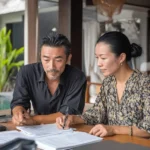
Kaito stared at the utility bills for his Uluwatu estate. The cost of daily water truck deliveries was eliminating his monthly profit. He realized his traditional plumbing system was inadequate for the dry season, and his local staff had no system for water conservation.
He also received a complaint from a guest about the excessive use of plastic water bottles. A recent review mentioned the smell of a nearby landfill, confirming his informal management strategy was failing. He realized his property was not aligned with the expectations of the luxury eco-traveler and was quickly losing its market position.
He hired a professional management company to overhaul his daily operations. They instituted a comprehensive playbook for sustainable practices. They installed a greywater recycling system for the garden and replaced all single-use plastics with refillable glass dispensers. Within three months, Kaito’s utility costs dropped by 40 percent, and his reviews praised the property’s authentic commitment to the environment.
Sustainable Materials and Pest Management in Bali

The tropical climate aggressively degrades cheap building materials. Investing in durable, eco-friendly materials that withstand humidity reduces replacement frequency and limits construction waste. When repairs are necessary, professional managers prioritize sustainable alternatives over conventional materials that off-gas volatile organic compounds into the guest environment.
Landscaping choices directly affect the property’s water and chemical usage. Native, drought-tolerant plants require significantly less irrigation than imported exotic species. Maintenance schedules align watering with the early morning to minimize evaporation, ensuring that every drop of water is utilized efficiently by the root systems.
Pest management is a critical area where sustainability is actively tested. Organic gardening and integrated pest-management approaches protect local ecosystems and guest health. Documentation of pest-control regimes is essential, ensuring staff prioritize targeted, eco-friendly treatments rather than broad-spectrum chemical sprays that damage the surrounding soil.
Governance, Training, and Monitoring
Eco-friendly policies are useless if the staff does not understand how to execute them on the ground. Governance and training are essential for a successful sustainability program. Professional management firms implement rigorous training programs so teams understand the strict energy and water-saving procedures expected of a luxury eco-property.
Regular audits are conducted to track performance across all systems. Management teams monitor metrics such as kilowatt-hours consumed, cubic meters of water used, and total waste diverted from landfills. This verifiable data allows them to adjust maintenance practices and prove the financial value of these initiatives directly to the owner.
Reporting these basic indicators demonstrates effective cost control and environmental performance. When owners see the dramatic reduction in utility costs, they understand sustainable operations are a highly profitable business strategy. This diligent monitoring ensures the property remains competitive and compliant with modern tourism expectations.
The Role of Professional Villa Management
Sustainable operations require constant supervision and specialized technical expertise. A professional management service coordinates technical upgrades, manages eco-friendly suppliers, and ensures staff adheres to strict operational checklists. They handle the complex logistics of circular waste management, removing the daily burden from the property owner.
For remote investors, this partnership is an invaluable asset. It ensures eco-policies survive staff turnover and function perfectly in the owner’s absence. Professional oversight prevents the slow degradation of expensive systems like solar inverters or greywater filters, which require regular, knowledgeable calibration to function properly.
By delegating these responsibilities, owners benefit from significantly lower running costs and a stronger appeal to eco-conscious guests. The property remains aligned with the highest standards of hospitality in Indonesia. This partnership turns the physical asset into a resilient, high-yielding investment that respects its surrounding environment through professional oversight.
FAQs about sustainable villa maintenance in Bali
Yes. Eco-friendly operations reduce utility costs and attract high-value guests who prioritize environmental responsibility.
Installing low-flow aerators on taps and dual-flush toilets provides immediate, measurable reductions in water use.
It captures wastewater from sinks, filters it naturally, and reuses it for garden irrigation to save fresh water.
Yes. Professional teams enforce strict rules ensuring all waste is sorted, composted, or recycled effectively.
Yes. Solar panels significantly reduce your reliance on the grid and lower your monthly electricity costs.
They are typically more durable and resistant to humidity, reducing the frequency and cost of major repairs.