



The Bali villa market has evolved dramatically, with over 70,000 listings creating a crowded landscape where generic properties struggle to maintain margins. For foreign investors, the days of simply opening the doors and expecting high occupancy are over; achieving top-tier returns now requires treating your property as a distinct luxury brand.
Without a deliberate approach to positioning, even a stunning architectural gem can get lost in the noise and be forced into damaging price wars with inferior competitors.
To command nightly rates of USD 300+ and secure net rental yields above 10%, owners must shift their mindset from “landlord” to “hospitality entrepreneur.” This involves engineering every aspect of the guest experience, from the digital first impression to the in-villa services, ensuring they signal scarcity and exclusivity.
A successful Bali luxury villa rental strategy relies on bridging the gap between physical hardware and the intangible “vibe” that affluent travelers are willing to pay a premium for.
Navigating this transition requires adherence to local standards and an understanding of what high-net-worth guests actually value in 2026. As the Indonesian Ministry of Tourism and Creative Economy pushes for higher-quality tourism, properties that elevate their service standards are best positioned to thrive. This guide outlines the essential steps to transform your villa from a commodity rental into a high-performing luxury asset.
Table of Contents
Defining the New Premium Standard in Bali
In 2026, “luxury” in Bali is no longer defined solely by the size of the swimming pool. The market has bifurcated: mass-market villas compete on price, while premium assets compete on brand strength and experience. High-performing portfolios in areas like Uluwatu and Pererenan are achieving occupancy rates above 90% not by being the cheapest, but by being the most curated.
Implementing a robust Bali luxury villa rental strategy means understanding that your competition is not just the villa next door, but boutique hotels and branded residences. Premium guests demand consistency. They are looking for properties that offer the privacy of a home with the reliability and service levels of a five-star resort. This shift requires owners to invest in operational excellence, ensuring that maintenance, staffing, and concierge services are flawless.
Architectural Prerequisites for High Rates
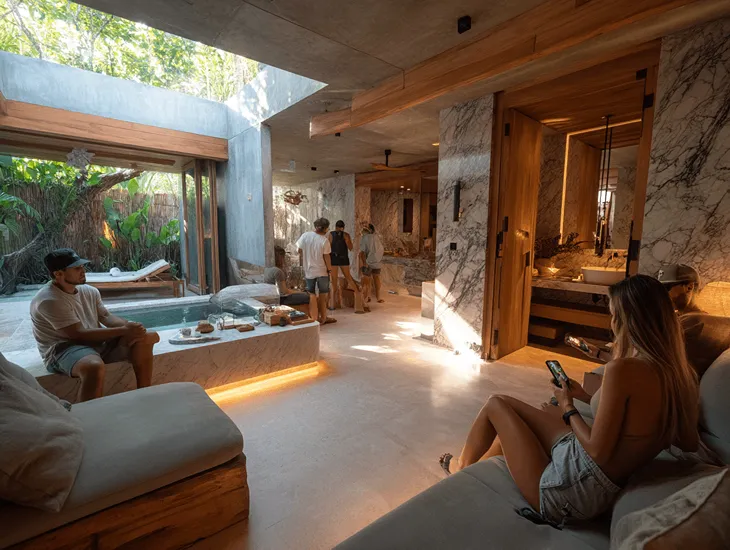
While service is crucial, the physical “bones” of the property set the ceiling for your Average Daily Rate (ADR). To qualify for the luxury tier, a villa generally needs specific features that photograph well and offer tangible comfort. Prime locations—beachfront, clifftop, or unobstructed rice field views—are the strongest drivers of value, but interior details matter equally.
Generous ensuite bathrooms for every bedroom, enclosed, fully air-conditioned living areas, and high-quality finishes like marble or teak are non-negotiable. Value-add upgrades such as private spa rooms, dedicated media centers, or sunset yoga decks can significantly boost perceived value. Investors should focus on creating “Instagrammable” moments within the architecture, as social proof is a powerful currency in the luxury segment.
Curating the End-to-End Guest Journey
Luxury is an experience, not just a place to sleep. The guest journey begins the moment a booking inquiry is made. Rapid, professional responses and the ability to pre-plan itineraries set the tone for a premium stay. Guests paying top dollar expect a seamless arrival experience, including VIP airport transfers and a personalized welcome with cold towels and refreshments, rather than a key left in a lockbox.
Inside the villa, the experience must be frictionless. This means high-speed internet that works in every corner, intuitive lighting controls, and hotel-grade linens. Offering curated in-villa experiences—such as a private chef for a seafood BBQ, floating breakfasts, or on-call massage therapists—allows you to upsell while enhancing guest satisfaction. These touchpoints create the “wow” factor that leads to word-of-mouth recommendations.
Establishing a Unique Brand Identity
A villa without a brand is a commodity. To command a premium, your property needs a distinct identity that resonates with a specific target audience, whether that be honeymooners, wellness seekers, or multi-generational families. This goes beyond a logo; it involves crafting a narrative that sells a lifestyle.
Your visual identity—photography, color palette, and typography—must be consistent across all platforms. A moody, romantic villa in Sidemen should not have the same bright, pop-art branding as a surf villa in Canggu. A cohesive brand builds trust and recall. When guests feel they are buying into a unique story, price sensitivity decreases, allowing you to maintain your margins even during shoulder seasons.
Real Story: The Turnaround of the "Limestone Sanctuary"
Meet James, from Chicago, United States, as a financier who bought a stunning four-bedroom villa in Bingin, Bali in early 2025. He had the hardware—limestone walls and ocean views—but listed it as “Bingin Luxury Villa 4” on Airbnb. The result? He attracted party-goers who treated his investment like a cheap hotel, leaving him with 50% occupancy and high repair bills.
The turning point came when he stopped thinking like a landlord and started thinking like a hotelier. We helped him rebrand the property as “The Limestone Sanctuary,” shifting the focus to wellness and solitude. We replaced the generic flat-pack furniture with bespoke teak pieces and retrained his staff to offer butler-level anticipation, not just cleaning.
Within four months, the “party crowd” was replaced by high-net-worth families seeking privacy. James’s ADR jumped 35%, and his net yield stabilized at a healthy 12%.
Optimizing Distribution Channels for Net Profit

Relying 100% on Online Travel Agencies (OTAs) like Airbnb and Booking.com is a common mistake that erodes luxury margins due to high commissions (15–20%). While these platforms are essential for visibility, a smart Bali luxury villa rental strategy involves using them for guest acquisition while actively driving repeat bookings through direct channels.
Dynamic pricing is essential. Instead of a flat seasonal rate, use algorithms that adjust prices based on real-time demand, local events, and competitor availability. This ensures you capture maximum revenue during peaks without pricing yourself out during lulls. Developing a high-quality, SEO-optimized website allows you to capture direct bookings, significantly improving your net profit per stay.
Service Standards That Drive Five-Star Reviews
In the luxury sector, your staff are your most valuable asset. Guests may forgive a chipped tile, but they will never forgive rude or inattentive service. Staff should be trained in hospitality SOPs (Standard Operating Procedures) that cover everything from how to greet guests to how to fold towels. Uniforms, grooming, and basic English proficiency are baseline requirements.
Response time is critical. If the AC breaks or the WiFi drops, the issue must be acknowledged within minutes and resolved within hours. Implementing a clear maintenance schedule prevents these issues from affecting the guest experience. Consistently high review scores (4.9–5.0) act as a trust signal that justifies your premium pricing and insulates your property from market fluctuations.
Avoiding Common Positioning Mistakes
A major risk in the luxury market is the “rate first, quality later” approach. Some owners attempt to charge premium prices before their service or amenities justify it. This leads to disappointed guests and scathing reviews that can permanently damage the villa’s reputation. Authenticity is key; do not promise a “private chef” if it is just a local cook with limited skills.
Another pitfall is ignoring regulatory compliance. High-profile luxury villas attract scrutiny from tax authorities. Ensure you are paying the correct hotel taxes (PB1) and have the necessary licenses (PBG/SLF). Cutting corners on compliance to save money is a short-term tactic that introduces massive long-term risk.
FAQs about Premium Villa Positioning
Rates vary by location and size, but premium 3-4 bedroom villas in prime areas like Uluwatu or Seminyak typically range from USD 300 to USD 800+ per night. Ultra-luxury cliff front properties can command significantly more.
Not necessarily, but you must offer the option of a private chef. Many luxury villas have a talented cook for breakfast and daily meals, with access to professional chefs for special dinners upon request.
Investing in professional photography, a logo, and a basic website is essential. This can cost between USD 1,500 and USD 5,000 depending on the quality, but the ROI is substantial for a Bali luxury villa rental strategy.
It is very difficult to maintain luxury standards with self-management unless you are on the ground full-time. Most investors prefer professional management companies to handle the intense operational demands of premium guests.
Fast, reliable internet (Starlink is becoming standard) and a high-quality water filtration system are increasingly cited as top priorities for health-conscious and remote-working luxury travelers.