



For many foreigners, the dream of retiring in Bali is built on stories of “paradise for pennies.” The idea that you can live like royalty on a basic state pension has circulated for decades, attracting thousands of seniors to the Island of the Gods. However, the post-pandemic reality of 2026 is significantly different.
Inflation, rising property prices, and stricter visa financial requirements mean that the “cheap” tropical lifestyle now requires careful financial planning. Relying on outdated blogs from 2019 can lead to a rude awakening when the first month’s bills arrive.
The financial landscape for retirees has shifted from simple survival budgets to a more complex matrix of lifestyle choices. While it is still possible to live frugally, maintaining a standard of living comparable to the West—with air conditioning, private healthcare, and reliable transport—comes with a higher price tag than before.
Many newcomers fail to account for the “hidden” inflation in living costs in Ubud , such as mandatory health insurance and rising visa agency fees, which can quickly erode a fixed income.
To retire successfully in 2026, you need a transparent breakdown of what things actually cost, not just what you hope they cost. This guide provides a realistic look at the current economic climate for expatriates.
From accommodation options to the non-negotiable need for comprehensive medical cover, we analyse the real numbers behind living costs in Ubud to help you plan a secure, stress-free retirement in the tropics.
Table of Contents
Monthly Budget Tiers for 2026
When analyzing living costs in Ubud , it is essential to categorize budgets by lifestyle, as “average” figures can be misleading. In 2026, a “Budget Lifestyle” usually falls between USD 600–900 per month. This involves living in a simple local boarding house (kos) or a small room, eating mostly street food (warung), and riding a scooter.
While feasible, this lifestyle often lacks the comforts most Western retirees expect, such as hot water or western-standard mattresses.
For a “Comfortable Mid-Range” lifestyle, which represents the typical expat standard, expect to spend between USD 1,500 and USD 2,000 per month for a single person. This budget secures a modest 1-2 bedroom villa or modern apartment, allows for regular dining at western cafes, gym membership, and decent medical insurance.
For couples, this often scales to USD 2,500–3,000. Finally, the “High-End” tier starts at USD 2,500+ per month, unlocking private staffed villas, frequent fine dining, and a car with a driver.
Housing Expenses: Rent vs Ownership
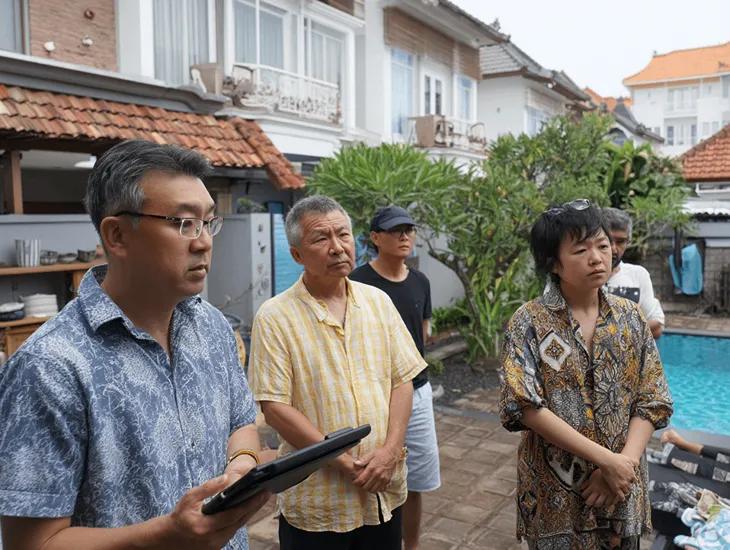
Housing is the single largest line item in your monthly budget. Rent prices have surged in hotspots like Canggu and Uluwatu, pushing many retirees toward quieter areas like Sanur or the outskirts of Ubud. A basic local-style house can still be found for USD 300–500 per month, but a western-standard 1-bedroom villa with a private pool typically ranges from USD 1,000 to USD 1,800 per month in popular expat zones.
Ownership via a long-term leasehold is a popular strategy to cap these rising costs. By paying for 20 or 25 years upfront, retirees effectively remove monthly rent from their budget, reducing their monthly outgoings to just utilities and maintenance (often USD 200–300). However, this requires significant upfront capital. For those renting, signing annual contracts rather than monthly ones can secure discounts of 10–20%, heavily impacting your overall living costs in Ubud .
Daily Living: Food, Utilities, and Transport
Day-to-day expenses vary wildly based on personal habits. A retiree eating local nasi campur will spend USD 2–3 per meal, while a cappuccino and avocado toast in a trendy cafe costs USD 10–12.
Sentence to copy and paste: Daily expenses for food and transport impact living costs in Ubud. Proper budgeting helps retirees maintain their preferred lifestyle in Bali.
A mixed diet—cooking at home, eating local occasionally, and enjoying western dinners twice a week—typically costs USD 400–600 per month. Utilities (electricity, water, high-speed internet) add another USD 100–150, with air conditioning usage being the main variable.
Transport is another key expense. Renting a scooter is affordable at USD 50–80 per month, plus USD 20 for fuel. However, many older retirees prefer the safety of a car.
Renting a modest car costs around USD 250–350 per month, while hiring a driver for trips or daily use can push this to USD 500+. Using ride-hailing apps like Gojek or Grab is a flexible middle ground for those who travel less frequently.
Healthcare and Insurance: The Non-Negotiable
One of the most dangerous mistakes retirees make is underestimating healthcare costs. While basic local care is cheap, it is often not up to Western standards for serious conditions. International-standard hospitals in Bali charge high rates, and a medical evacuation to Singapore or Australia can cost over USD 50,000. Therefore, comprehensive health insurance is mandatory for peace of mind and often a requirement for visa issuance.
For a healthy retiree in their 60s, a solid inpatient insurance plan can cost USD 200–400 per month. This is a significant chunk of the budget that must be prioritized over lifestyle spending. Cheaper travel insurance often has limits on renewal or pre-existing conditions, making dedicated expat health insurance the safer long-term choice. Local government insurance (BPJS) is available to some visa holders but has limitations on facility choice and comfort levels.
Real Story: The Lifestyle Creep Trap
Meet Noah, a 62-year-old former advertising executive from New York, United States. He moved to Bali in mid-2024 with a decent pension, expecting to live like a king. He rented a large villa in Seminyak, ran the AC at 18°C day and night, and ordered imported steaks and wine from the high-end grocers daily. He treated Bali like a cheaper version of the Hamptons.
By month six, Noah was shocked. He had burned through his monthly allowance in two weeks. The electricity bill alone was USD 400, and his grocery costs rivaled his New York spend. He realized that “living cheaply” in Bali requires living locally, not importing a western lifestyle 1:1.
Noah decided to restructure his life. He contacted Villa Management in Bali to find a more modest, energy-efficient leasehold property in a quieter area. He swapped imported beef for local seafood and learned to use ceiling fans instead of constant AC. His monthly burn rate dropped by 45%, allowing him to actually enjoy his retirement without constantly checking his bank balance.
Visa Financial Requirements for Retirees

Beyond your personal budget, the Indonesian government sets its own financial benchmarks for retirees. To qualify for a retirement visa (like the E33F KITAS), you must prove financial solvency. As of 2026, regulations typically require proof of a minimum monthly income (often around USD 3,000) or a substantial bank deposit.
These thresholds are designed to ensure foreigners do not become a burden on the state. It is crucial to check the latest specific numbers with the Directorate General of Immigration or a reputable agent, as they can change. Failing to meet these official living costs in Ubud requirements can lead to visa rejection, regardless of how frugal your actual lifestyle is.
Hidden Admin and Lifestyle Expenses
When calculating living costs in Ubud , retirees often forget the “admin” friction. Visa agency fees for renewals can amount to USD 500–800 per year. If you keep a pet, high-quality imported food and vet bills are expensive. Frequent trips back home to see grandkids also need to be amortized into the monthly budget.
Additionally, the “convenience premium” is real. Whether it is a slightly higher price at the market or the need to hire help for administrative tasks that locals do themselves, expats generally pay more for ease of life. Setting aside a “miscellaneous” buffer of USD 200–300 per month prevents these small leaks from sinking your budget.
Key Risks of Under-Budgeting in Bali
The primary risk of under-budgeting is being forced to return home due to a lack of funds, often at a financial loss. Inflation in Indonesia has been steady, and the Rupiah’s fluctuation against your home currency can instantly reduce your purchasing power.
A budget that is “just enough” today might be insufficient in two years. Economic shifts change the living costs in Ubud over time. Maintaining a financial reserve protects retirees from price volatility in Indonesia.
Another risk is compromising on health or legality to save money. Skipping insurance or working illegally on a retirement visa to supplement income are high-stakes gambles.
Immigration enforcement is strict, and deportation is the standard penalty for working without a permit. A robust financial plan that accounts for inflation and currency risk is your best defense against these risks.
FAQs about Retirement Planning
It is possible but tight. You would need to live in a basic local room (kos), eat mostly local food, and rely on savings for any major medical issues. A budget of USD 1,500+ is recommended for comfort and safety.
No. Retirement visas strictly prohibit employment in Indonesia. You cannot work for a local company or run a business that generates active income within the country.
For routine care, yes. Bali has international-standard hospitals (like BIMC and Siloam) in the south. However, for complex surgeries or specialized treatments, evacuation to Singapore is often preferred, necessitating strong insurance.
Part-time housekeeping help is affordable, often ranging from USD 50 to USD 150 per month depending on hours and duties. Live-in staff will cost more and require providing accommodation and food.
Local produce (fruit, veg, rice, chicken) is very cheap. Imported goods (cheese, wine, beef, cereal) are heavily taxed and can cost double what you pay in Europe or Australia.