


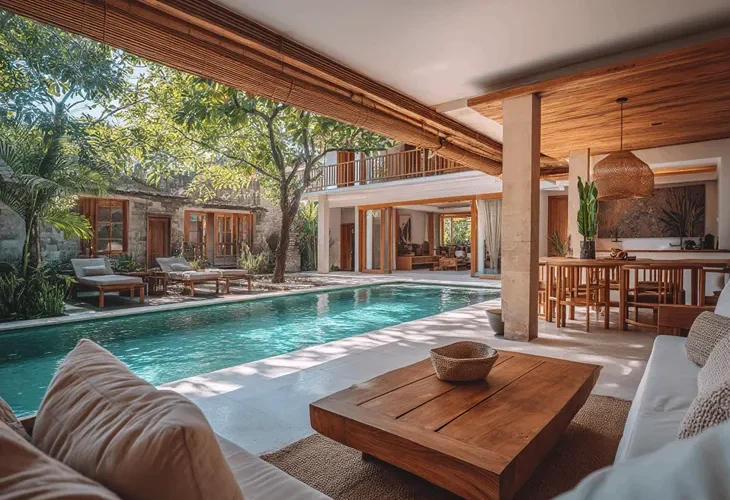
In the saturated Bali property market of 2026, a listing with mediocre visuals is invisible. With thousands of villas vying for attention on Airbnb and real estate portals, the difference between a high-occupancy asset and a dormant liability often comes down to the first three seconds of a user’s scroll.
For foreign owners in Bali, treating professional real estate photography as a mere cosmetic extra is a financial error; it is a critical performance lever that directly dictates view counts, booking rates, and ultimate revenue.
However, capturing the essence of a tropical property requires more than just a wide-angle lens. It involves navigating a specific set of Bali visual challenges—from managing the harsh equatorial light to showcasing indoor-outdoor living flows—while adhering to strict Indonesian advertising regulations.
Misrepresenting a property through heavily edited images is not just unethical; under current consumer protection laws in the local Indonesian market, it is a legal risk that can lead to disputes and platform delisting.
To turn your property into a high-performing asset, you need a strategy that blends artistic direction with commercial logic. This guide explores how professional real estate photography impacts your bottom line, the legal framework you must respect, and a step-by-step workflow to ensure your villa stands out in the crowded neighborhoods of Canggu, Uluwatu, and Ubud.
Table of Contents
Why Visuals Drive Revenue in 2026
The correlation between image quality and income is supported by hard data. Internal studies from major booking platforms suggest that listings with professional real estate photography generate approximately 28% more bookings and up to 40% higher revenue than those with amateur snapshots.
The algorithm favors listings that convert clicks into bookings, and high-quality images are the primary driver of that conversion. In a market like Bali, where the aesthetic appeal is a major selling point, investing in premium visuals is essentially buying higher visibility.
Beyond booking platforms, the impact extends to property sales and long-term leases. Expert property imaging accelerates buyer decision-making by clearly highlighting key assets like craftsmanship, view corridors, and pool conditions.
Buyers and high-value renters in the Island of the Gods perceive professionally presented properties as more reliable and premium. In 2026, where digital nomads and investors browse dozens of listings daily, crisp, well-composed images build the immediate trust necessary to command a higher price point.
Legal Standards for Property Advertising
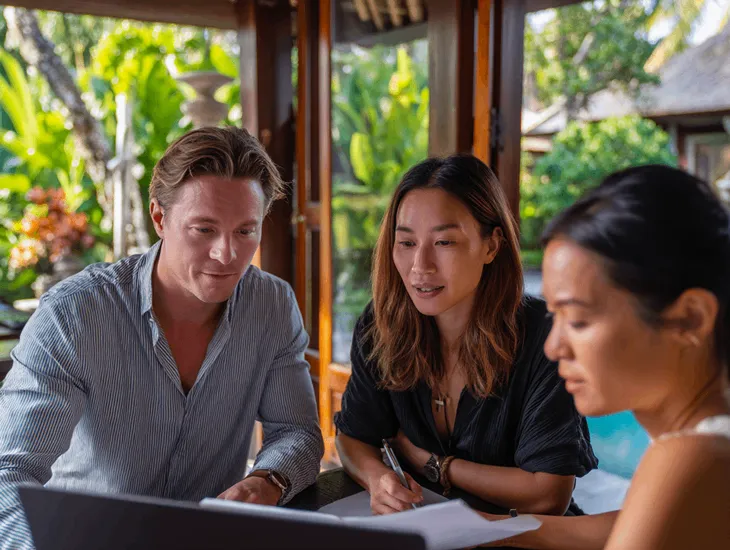
In Indonesia, advertising properties is not the “Wild West”; it is regulated by strict consumer protection laws and the Advertising Ethics Code. Truthful advertising is a legal requirement. This means that your real estate photography must not materially misrepresent the asset. Using wide-angle distortion to make a 3×3 meter bedroom look like a suite, or digitally adding a rice field view that doesn’t exist, can constitute a violation. Advertisers must have legal title or valid management rights, and all depictions of facilities in your promotional materials must be accountable.
Furthermore, content restrictions prohibit any imagery that could be deemed culturally insensitive or violating public decency standards. For Bali villa owners, this means marketing materials must remain within accepted boundaries—avoiding overly sexualized imagery or depictions of unsafe behavior around pools. Additionally, if you plan to use your real estate photography on outdoor billboards (OOH media), be aware that local regencies impose specific advertising taxes (often 10–25%) and require permits. Ensuring your visuals are compliant with these regulations protects your business from fines and reputational damage.
Bali-Specific Visual Strategies
Shooting property in Bali requires a unique approach compared to Western markets. The “Bali style” emphasizes the seamless connection between nature and architecture. Effective architectural photography here highlights tropical gardens, open-air living pavilions, and the texture of local materials like bamboo and teak.
The goal is to sell a lifestyle, not just a floor plan. Techniques such as shooting along the main axis of open spaces help convey the depth and flow that define Bali villas.
Lighting is another critical factor in Southeast Asia’s tourism hub. The equatorial sun is harsh and can create deep, unflattering shadows or blown-out highlights in open courtyards. Experienced photographers shoot during “soft light” windows—early morning or late afternoon—to balance the exposure between the bright outdoors and the shaded interiors.
Additionally, aerial drone photography has become a standard requirement for highlighting proximity to the beach or rice fields, offering a contextual perspective that ground-level shots cannot provide.
Working with Professional Photographers
Selecting the right creative partner is essential for achieving commercial results. When hiring for real estate photography in Bali, look for a portfolio that demonstrates experience with tropical architecture and mixed lighting conditions. A photographer skilled in HDR (High Dynamic Range) blending is crucial for balancing the bright Bali sky with interior details. Beyond technical skills, the ability to stage small decor elements—fluffing pillows, arranging tropical fruit, or straightening pool towels—adds a layer of polish that elevates the final image.
Deliverables typically include a set of 20–40 fully edited images for a standard villa, often with a turnaround time of a few days to a week. Many professionals now offer packages that include short video reels for social media and 360-degree virtual tours, which are increasingly important for remote buyers. While fee ranges vary and are not standardized across the island, investing in a specialist rather than a generalist ensures your visuals are optimized specifically for the Bali real estate market.
Real Story: The Turnaround in Pererenan
Meet Sebastien, a 44-year-old investor from Lyon, France. He had poured his savings into renovating “Villa Senja,” a classic Joglo in Pererenan, Bali. The lush garden was meticulously maintained, but his Airbnb calendar remained alarmingly empty.
The photos he had taken with his phone made the rich wood look dark and claustrophobic, and the vibrant pool looked murky under the midday sun.
Sebastien was frustrated. He knew the villa was beautiful, but the online listing felt dead. He was competing against modern concrete villas that popped on screen. That’s when he contacted Bali Villa Management to intervene.
They didn’t just suggest a price drop; they organized a professional real estate photography session.
The team spent a full day staging the property, removing clutter, and waiting for the golden hour to capture the warm glow of the timber. They used a drone to show how close the villa was to the surf breaks. The new images were transformative—bright, airy, and inviting.
Within two weeks of updating the listing with professional visuals, Sebastien’s inquiries tripled. He secured a six-month booking from a Swiss family who specifically mentioned the “magical garden” they saw in the photos.
A Step-by-Step Photography Workflow
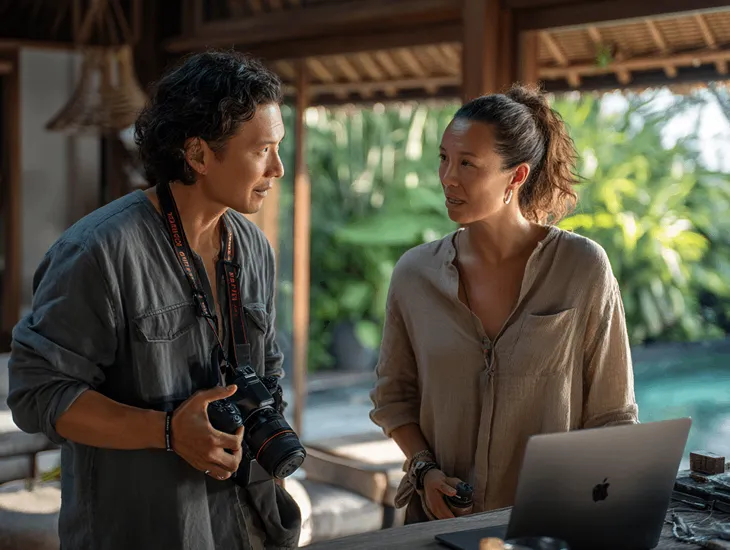
First, pre-production is key. Clean the property thoroughly and declutter surfaces. Remove personal items, cables, and excessive visual noise. Stage the space with neutral decor and selective Bali elements to create a welcoming atmosphere.
Prepare a short list that includes all key areas: exteriors, pool, living spaces, bedrooms, bathrooms, and specific amenities like office nooks or surfboard racks.
During the shoot, prioritize the “hero shots” that will serve as your listing content thumbnails. Ensure the photographer uses tripod-based compositions and applies the rule of thirds to create balanced, engaging images. For the editing phase, insist on natural-looking color correction and perspective straightening.
The final output should reflect reality while presenting the property in its best possible light. Avoid heavy filters that alter the color of the wood or water, as authenticity is paramount in real estate photography.
Optimizing Images for Marketing Channels
Once you have your villa media assets, deployment is the next step. Different platforms require different formats. OTAs like Booking.com and Airbnb generally perform best with landscape-oriented images that showcase the width of the rooms.
However, for Instagram and TikTok, you will need vertical crops that fill the mobile screen. Ensuring you have a diverse set of assets allows you to maintain a consistent visual identity across all marketing channels in Bali.
Your “hero image” is the single most important asset. It must be compelling enough to stop the scroll. Research suggests that listings featuring a bright, inviting pool or a stunning view as the cover photo garner higher click-through rates.
Regularly updating your images to reflect any renovations or seasonal changes keeps your listing fresh and indicates to the algorithm that the property is actively managed, further maximizing the ROI of your real estate photography.
Common Pitfalls and Risks
Several risks can undermine the value of your visual investment. The most significant is the discrepancy between the photo and reality. Over-promising—such as using wide-angle lenses to exaggerate room size or Photoshop to erase power lines—can lead to guest disappointment, negative reviews, and refund claims. In the era of commercial outreach on social media, a “Instagram vs. Reality” post can severely damage your brand.
Another common mistake is failing to update photos. If you upgrade the furniture or repaint the walls, your real estate photography must reflect those changes immediately. Using outdated images not only confuses guests but can also be seen as false advertising under Indonesian Consumer Protection Law. Maintaining accurate, high-quality visuals is a continuous responsibility that protects your reputation and ensures legal compliance.
FAQs about Real Estate Photography
Rates vary widely by photographer and scope. While specific fees are not standardized, expect to pay for a day rate plus editing time for high-quality work.
Yes, drone shots are highly effective for showing context. However, ensure your photographer follows local regulations regarding flight zones and privacy.
Absolutely. Decluttering and staging are essential for professional results. Good real estate photography relies on a clean, curated environment.
Update your photos whenever you make significant changes to the decor or structure, or at least every 2-3 years to keep the listing looking current.
It is risky. Materially misrepresenting the view or surroundings can violate advertising ethics and lead to guest complaints.